
1 trip
-
Africa
-
Asia
-
Australasia
-
Central & South America
-
Europe
-
Middle East & Central Asia
-
North America
-
Trip Style
-
Adventure Trips
-
Paid Work
-
Volunteering
-
Learn & Develop
-
Short TripsClose to HomeRound The WorldPerfect for...
-
 Download Antarctica Key Facts
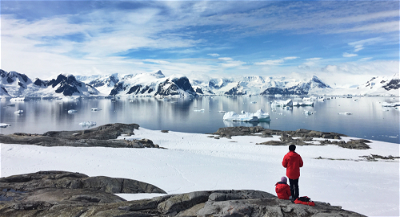
Take a polar expedition to the frozen south. The most isolated, wild place on Earth, Antarctica is the stuff that adventurous travellers’ dreams are made of. Explore pristine landscapes that are completely free from human settlement, cruise through inky-blue waterways past towering icebergs and hike frozen valleys and vast icesheets. See blue whales breaching in glacial bays, adelie penguins nesting in the snow and leopard seals hauling out on to the ice. The Great White Continent never disappoints.
Read more in our Antarctica Travel Guide.
Antarctica Trips and Tours
Found 1 trips

Antarctica Facts
Currency
USDLanguage
MultilingualDialling Code
+672Plug Type
VariesAntarctica Highlights

Antarctic Peninsula
The heart of most expeditions, the Antarctic Peninsula, is the most accessible and wildlife-rich area of the White Continent. Hop in a Zodiac (a smaller boat) or kayak icy channels. Spot penguins and seals in the bays, and keep watch for whales. You could even brave the freezing waters with a polar plunge.

Penguin Colonies
The true stars of Antarctica - the penguins! You’ll never forget the first time you see these adorable birds in their natural habitat, as communities waddle along the icy beaches. Species such as Gentoo, Chinstrap and Adélie penguins can often be spotted diving into the freezing ocean, and you might even see a few fluffy chicks.

South Shetland Islands
For many travellers, the South Shetland Islands are their first chance to set foot in Antarctica and witness incredible wildlife up close. This collection of islands hosts glacier-covered peaks and volcanic landscapes, with seabirds soaring overhead. Explore black sand beaches and historic research stations - the best introduction to Antarctica.

Drake Passage
Cross the legendary Drake Passage on your adventure from South America to Antarctica. This is one of the most thrilling and iconic parts of your journey, with endless ocean views, crashing waves and spotting some bucket list wildlife. Then, get ready for your first glimpse of the one-and-only White Continent!

Whale Watching
Welcome to one of the best places in the world for whale watching. Spot humpback whales breaching as you cruise through the Drake Passage, and orca pods gliding through the waters from the Antarctic Peninsula. Aboard a Zodiac near the South Shetland Islands, keep an eye out for minke whales weaving between the ice.
Antarctica Travel Advice
Climate & Weather
The climate in Antarctica is extremely unique, with the coldest and driest weather in the world! The White Continent is a polar desert, with very little rain and 99% of the land covered in ice. Antarctica’s summer is from November to March, with temperatures along the Antarctic Peninsula between -2°C and 8°C. Layered, waterproof clothing is recommended for exhibition cruises, with wind and snow common.
This is the most popular time to travel, and Antarctica becomes less accessible to travellers outside of this period. Antarctica’s winter, from June to September, can see temperatures as low as -30°C.
Best Time To Visit
The most popular time to visit Antarctica is from late October to March, with long days and active wildlife. You can expect temperatures to range from -2°C to 8°C.
Photography lovers will want to travel between November and December for untouched, icy landscapes. Experience warmer weather and 20+ hours of daylight between December and January. Wildlife becomes more active, and you might even catch a glimpse of hatching penguin chicks. For the best whale watching opportunities and penguin chicks waddling along the ice, February to March is the best time to join an Antarctica trip.
Customs & Culture
Whilst there are no permanent residents in Antarctica, the destination has its own unique traditions. Scientific researchers have created a multi-cultural, collaborative and exciting environment, with stations even hosting their own music festivals. Life is shaped by the Antarctic Treaty, ensuring no waste is left behind, and wildlife is observed from a respectful distance.
You can get involved in some of the unique traditions, like jumping into the freezing water (the Polar Plunge is a rite of passage!) and sending a letter from the world’s southernmost post office.
Passports & Visas
Entry requirements and visa regulations are different for every destination and your purpose of travel. We recommend staying updated on the latest official information before you go travelling. Your passport should be undamaged and have enough blank pages for stamps and visas. Many countries require your passport to have at least 6 months of validity beyond the date of entry. For more information and resources regarding entry requirements, check out our Visa Advice page.
Health & Safety
At Gap 360, your safety and well-being are our top priorities. From the moment your trip is confirmed until you arrive back home, you'll have access to a 24/7 emergency contact number for any urgent issues. For anything non-urgent, our friendly team is also available during office hours to help.
We strongly recommend checking the FCDO advice for Antarctica as it's regularly updated with the latest safety and travel information, and you can even sign up for email alerts to stay informed of any changes. In addition, you can check the FCDO general travel advice for British nationals abroad.Frequently Asked Questions
The best and most common way to travel to Antarctica is via an organised Antarctica expedition cruise. Most trips depart from Ushuaia in Argentina and cross the Drake Passage to the Antarctic Peninsula. Antarctica tours can last between 10 and 14 days, depending on the itinerary.
The highlight of your Antarctica tour will be the wildlife! The animals you can see in Antarctica include penguins (Gentoo, Chinstrap, Adélie and more) and beautiful whales, including humpback, orcas and blue whales. On Zodiac and kayaking trips, you can see leopard and fur seals relaxing on the shore, and seabirds such as albatrosses flying overhead.
Gap 360 has partnered with Masta and Nomad Clinics, one of the UK’s largest networks of private travel clinics. Through Masta, you can arrange a Travel Telephone Consultation, an in-person Consultation, and book your vaccinations at your nearest clinic.
Popular Trips
-
-


